

Maintaining a clean oven is essential not only for the longevity of the appliance but also for the quality of the meals you prepare. However, one of the most common questions that arise is, “How often should you clean your oven?” With busy schedules and various other household chores to manage, it can be challenging to determine the right cleaning frequency. But keeping your oven in good shape doesn’t have to be overwhelming.
In this blog, we’ll explore the ideal frequency for oven cleaning based on usage, types of cooking, and the benefits of regular maintenance. Stay with us until the end, when we’ll share a simple routine that ensures your oven remains in top condition with minimal effort.
The Importance of Regular Oven Cleaning
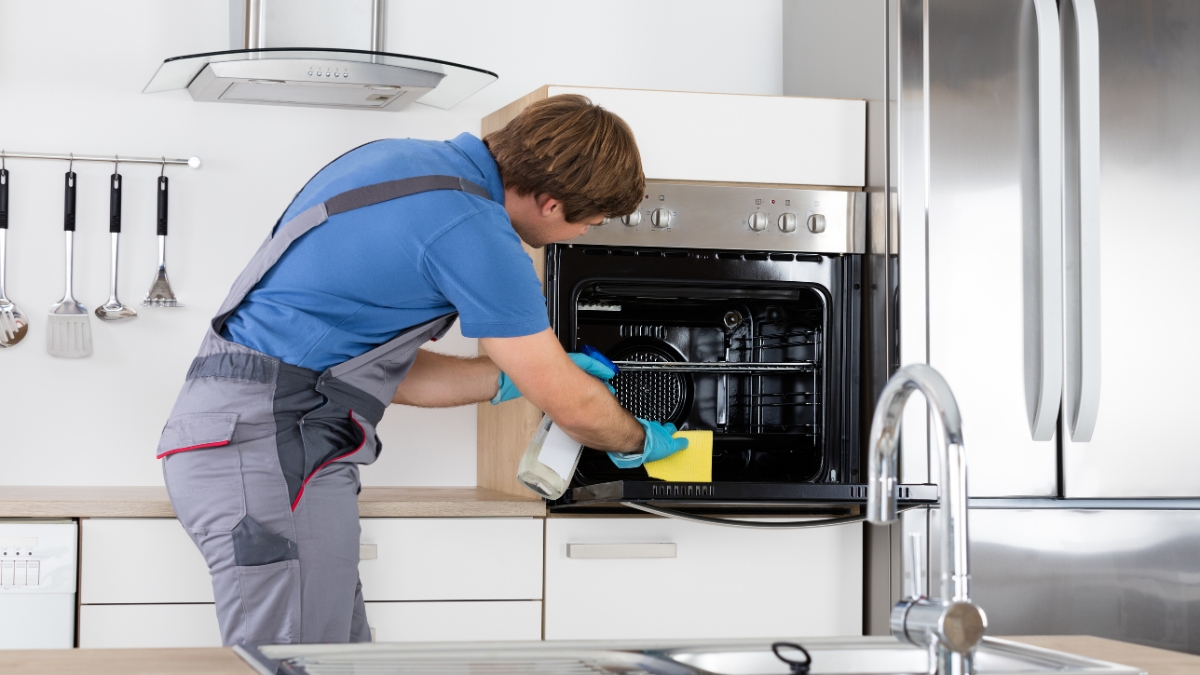
Before diving into the specifics of how often to clean your oven, it’s important to understand why regular cleaning is crucial. A clean oven not only enhances the taste of your food but also ensures the appliance operates efficiently and safely.
- Improved Cooking Performance: A clean oven heats more evenly, which can result in better-cooked meals. Grease and burnt-on food can affect how heat is distributed, leading to inconsistent cooking results.
- Safety: Built-up grease and food debris can become a fire hazard. Regular cleaning reduces this risk, ensuring your oven is safe to use.
- Odour Control: Old food spills and splatters can emit unpleasant odours when reheated, which can affect the taste and smell of your food. Cleaning your oven regularly prevents these odours from lingering.
Do You Notice a Difference When Your Oven Is Clean?
Have you observed better cooking results or reduced odours after cleaning your oven? How often do you clean it? Share your experiences in the comments below.
Factors That Determine Cleaning Frequency
The frequency with which you should clean your oven depends on several factors, including how often you use it, the type of food you cook, and whether you use preventive measures like oven liners.
- Frequency of Use: If you use your oven daily or several times a week, it’s likely to accumulate grease and food residue quickly. In such cases, a more frequent cleaning schedule is advisable.
- Type of Cooking: Cooking methods like roasting, baking, and grilling tend to create more splatters and spills, requiring more frequent cleaning. If you regularly cook greasy foods or foods that are prone to spilling, your oven will need to be cleaned more often.
- Preventive Measures: Using oven liners or covering dishes with lids or foil can help reduce spills and splatters, meaning you might be able to clean your oven less frequently.
How Often Do You Use Your Oven?
Do you find that your cooking habits require more frequent cleaning? What types of meals seem to cause the most mess? Let us know in the comments below.
Recommended Cleaning Schedule
Based on the factors mentioned above, here’s a general guide to how often you should clean your oven:
- Light Use (1-2 times a week): If you only use your oven occasionally and for less messy dishes, a thorough cleaning every 3-4 months should suffice. However, it’s still a good idea to wipe down the interior and the door after each use to prevent build-up.
- Moderate Use (3-4 times a week): For more frequent use, a monthly cleaning is recommended. This schedule will help prevent the build-up of grease and food debris, ensuring your oven stays in good working order.
- Heavy Use (Daily or almost daily): If you use your oven heavily, particularly for cooking foods that splatter or drip, aim to clean it every 1-2 weeks. This may sound like a lot, but regular cleaning will make each session quicker and easier.
- Spot Cleaning: Regardless of how often you use your oven, it’s a good idea to spot clean after each use. Wipe away any spills or splatters immediately after cooking to prevent them from hardening and becoming more difficult to remove later.
What’s Your Cleaning Routine?
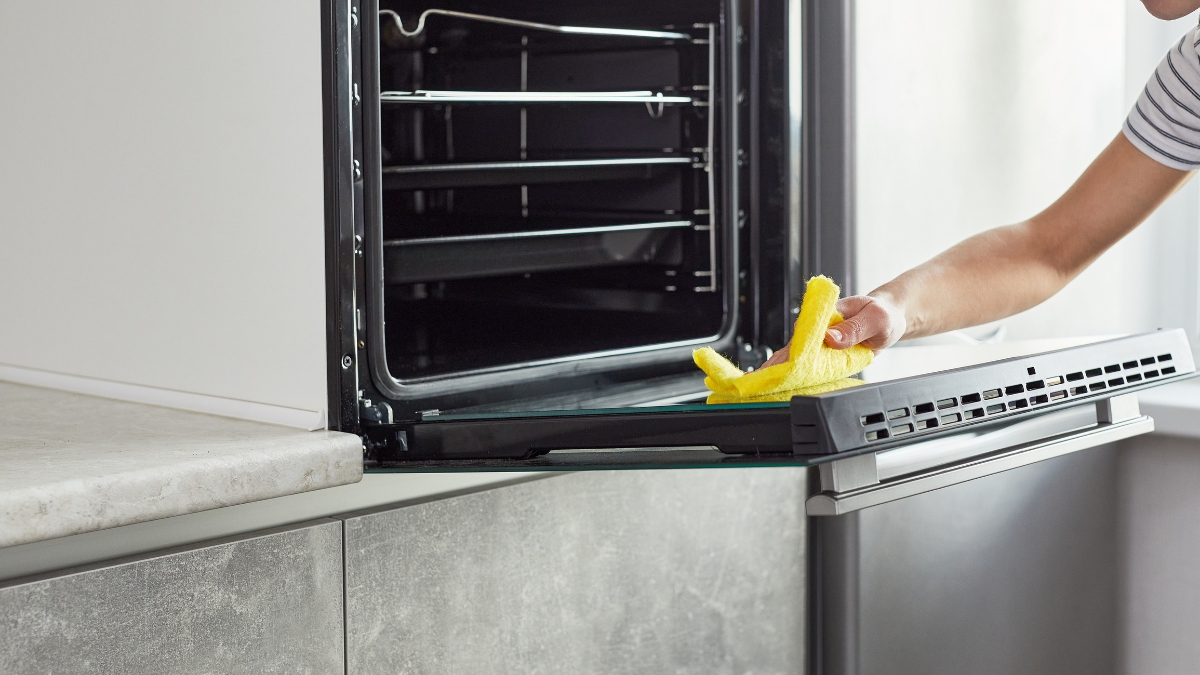
How does your oven cleaning routine compare to these recommendations? Do you find certain methods or products make the process easier? Share your thoughts in the comments below.
Quick Cleaning Methods for Busy Schedules
If the idea of cleaning your oven frequently seems daunting, there are quick and efficient methods that can make the task more manageable. Incorporating these into your routine can save you time and effort.
- Daily Wipe-Downs: After each use, once the oven has cooled, wipe down the interior with a damp cloth. This simple habit can prevent grease and food particles from accumulating.
- Baking Soda Paste: For a quick clean, apply a paste of baking soda and water to the inside of your oven. Let it sit for about 15 minutes, then wipe it away with a damp cloth. This method is effective for removing light stains and grease.
- Steam Cleaning: Place a heatproof bowl filled with water and a little vinegar in your oven, then heat it to a low temperature. The steam will help loosen any grease and grime, making it easier to wipe clean.
Do You Have Time-Saving Cleaning Tips?
What methods do you use to keep your oven clean with minimal effort? Do you prefer natural cleaning solutions or commercial products? Let us know in the comments below.
Benefits of a Clean Oven
Sticking to a regular cleaning schedule for your oven comes with several benefits that make the effort worthwhile.
- Extended Appliance Lifespan: Regular cleaning prevents the build-up of grease and grime, which can cause damage over time. By keeping your oven clean, you’re likely to extend its lifespan.
- Healthier Cooking Environment: A clean oven reduces the risk of burnt food particles contaminating your meals, leading to healthier cooking conditions.
- Energy Efficiency: A clean oven doesn’t have to work as hard to reach and maintain the desired temperature, which can result in lower energy bills.
Do You Notice the Benefits of a Clean Oven?
What benefits have you noticed from keeping your oven clean? Has it made a difference in your cooking or the performance of your appliance? Share your experiences in the comments below.
Ready to Keep Your Oven in Top Shape?
Cleaning your oven regularly doesn’t have to be a time-consuming chore. By following the recommended cleaning schedules and using efficient methods, you can keep your oven in excellent condition with minimal effort. Whether you cook daily or just a few times a week, a clean oven is essential for safe and enjoyable cooking.
We’d love to hear how you manage your oven cleaning routine. What works best for you, and what challenges have you faced? Leave a comment below to share your tips and experiences. If you’re new here, don’t forget to subscribe for more home maintenance advice and cleaning tips. Thanks for reading, and here’s to a cleaner, more efficient kitchen!
FAQ
Is it safe to use commercial oven cleaners regularly?
Yes, it’s generally safe to use commercial oven cleaners regularly, but always follow the manufacturer’s instructions and ensure your kitchen is well-ventilated during use. If you prefer, natural alternatives like baking soda and vinegar are also effective and can be used more frequently without concerns about chemical exposure.
Can a dirty oven affect the taste of food?
Yes, a dirty oven can affect the taste of food. Grease and burnt-on food can create smoke and odours that may transfer to your meals. Regular cleaning helps prevent this and ensures your food tastes as it should.
What’s the best way to clean oven racks?
The best way to clean oven racks is to remove them and soak them in a mixture of hot water and washing-up liquid. After soaking, use a brush or sponge to scrub away any remaining grime. For tougher stains, you can sprinkle baking soda on the racks before scrubbing.
#OvenCleaning #HomeMaintenance #KitchenTips #CleaningRoutine #HouseholdHacks #HealthyHome #EnergyEfficiency


2 Comments
Billy
The steam cleaning method is fantastic! I’ll definitely try that out next time—thanks for the tip
Althea
Love the idea of spot cleaning after each use! Definitely going to try that! 🙌🍽️